
Understanding OFAC Delisting: A Guide to SDN List Removal
In the complex world of international finance and trade, the Office of Foreign Assets Control (OFAC) plays a pivotal role in enforcing economic and trade sanctions. A vital aspect of these sanctions is the Specially Designated Nationals (SDN) List, which includes individuals and entities that US persons are prohibited from dealing with. However, the process of delisting from this list is equally important, and understanding it is crucial for anyone navigating the waters of compliance and regulation. If you need assistance with OFAC procedures, consider consulting OFAC Delisting (SDN List Removal) OFAC Lawyers for expert guidance.
What is the OFAC SDN List?
The OFAC SDN List includes individuals and entities that have been designated for sanctions. These sanctions can result from various factors, including criminal activities, terrorism, drug trafficking, and violations of international laws. Being included on this list means that individuals or entities face severe restrictions, including asset freezes and prohibitions on transactions with US citizens or companies.
The Process of Delisting
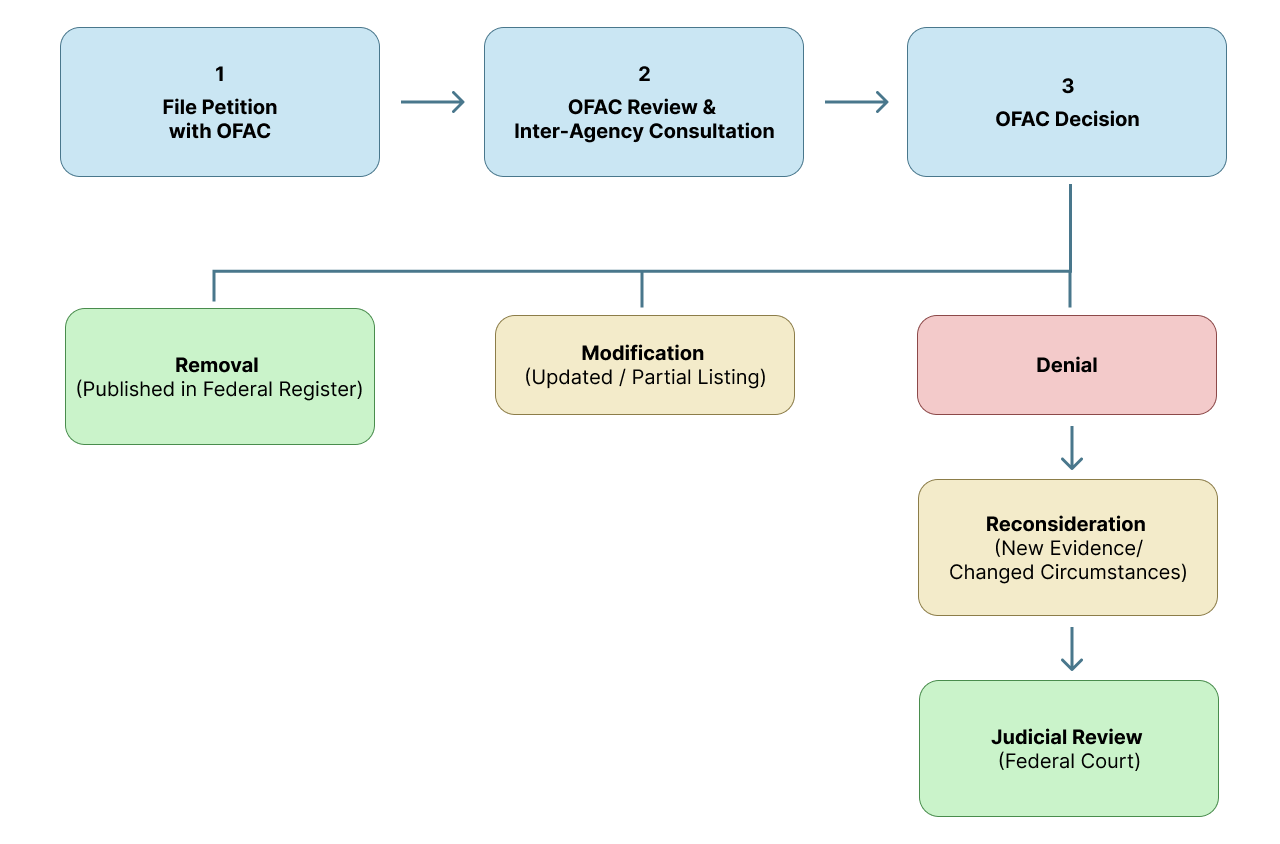
Delisting from the SDN List is a complex process that involves several steps. First, an individual or entity must determine the grounds for their designation and present evidence that they no longer meet the criteria for inclusion. This can involve demonstrating changes in behavior, legal status, or ownership structure.
Step 1: Understand the Grounds for Designation
Before seeking delisting, it is essential to fully understand why an individual or entity was placed on the SDN List. The OFAC provides a basic outline of the reasons for designations, which typically include:
- Terrorism
- Drug trafficking
- Human rights abuses
- Engagement in deceptive practices
Step 2: Gather Evidence
The next step involves collecting robust evidence that counteracts the basis for the original designation. This can include records of compliance with laws and regulations, changes in operational management, or affiliations with reputable entities. Having strong documentation is key to a successful delisting application.
Step 3: Submit a Petition for Delisting
Once the necessary evidence is compiled, a formal petition for delisting can be submitted to OFAC. This petition must clearly outline the reasons for the request and provide supporting documentation. It’s crucial to articulate effectively how and why the circumstances prompting the original designation have changed.
Considerations for a Successful Delisting
While the process for delisting seems straightforward, several considerations can impact its outcome. Understanding these factors can significantly improve the chances of a successful delisting:
Legal Representation
Engaging experienced legal counsel can greatly aid in navigating the complexities of the OFAC regulations. A lawyer can help ensure that all necessary documentation is in order and that the petition is legally sound.
Transparency and Cooperation
A proactive approach, characterized by transparency and cooperation with OFAC, can also enhance the likelihood of a positive outcome. Demonstrating a willingness to comply with all requests for information can reflect favorably on the petitioner’s case.
Potential Outcomes of the Delisting Request
Upon reviewing the petition, OFAC may respond in several ways:
- Approval: If the petition is approved, the entity will be removed from the SDN List, and any frozen assets will be released.
- Denial: If the request is denied, OFAC will typically provide a brief explanation. This denial can often be appealed or contested.
- Request for Additional Information: OFAC may seek further information before making a final decision, extending the timeline for delisting.
The Importance of Staying Informed
Remaining compliant with federal regulations extends beyond just seeking delisting. Entities should continuously monitor their status and ensure adherence to all applicable laws and regulations. OFAC regularly updates its lists, and staying informed about changes can prevent future complications.
Conclusion
Delisting from the OFAC SDN List is an essential process for individuals and entities wishing to restore their status and access to international financial systems. Navigating this complex process requires a comprehensive understanding of the legal framework, as well as effective strategies for communication with OFAC. For those looking to improve their chances of successful delisting, consulting with knowledgeable professionals can be a critical step toward compliance and business recovery.
By understanding the intricacies of OFAC delisting and keeping abreast of relevant regulations, affected parties can engage appropriately in the reinstatement of their rights and resources.