


The Downfall of Horse Racing Betting: Exploring Alternatives
The world of horse racing betting has long been a beloved pastime for many, characterized by the thrill of the race and the adrenaline rush of placing a winning wager. However, in recent years, there has been a noticeable decline in traditional horse racing betting. This article will delve into the reasons behind this shift and explore alternative betting methods and entertainment options that have emerged, redefining the landscape of sports betting. For more insights on betting strategies and tips, Horse Racing Betting Not on GamStop go to website.
The Rise of Digital Betting Platforms
One of the primary reasons for the decline in horse racing betting is the rise of digital betting platforms. The convenience and accessibility of online sportsbooks have made it easier for bettors to engage in various sports betting activities beyond horse racing. With the allure of live betting, esports, and virtual sports gaining traction, many bettors are exploring new avenues that offer greater flexibility and instant gratification.
Changing Preferences of Bettors
Demographic shifts also play a significant role in the changing landscape of sports betting. Younger generations, particularly Millennials and Gen Z, tend to prefer dynamic, fast-paced betting options. Traditional horse racing, often involving longer preparation times and extended events, may not align with the instant-consumption culture that today’s bettors prefer. As a result, many are gravitating towards more immediate betting experiences associated with team sports like football and basketball.
The Influence of Mobile Technology
The advent of mobile technology has transformed the gambling industry. Bettors can now place wagers on their smartphones from almost anywhere, which contrasts with the traditional methods of attending races live or using land-based bookmakers. This convenience has inadvertently led to a reduction in horse racing betting as boots on the ground become less prevalent. With apps offering a wide range of betting options, the focus has shifted towards sports that provide higher frequencies of betting opportunities.

Regulatory Changes and Challenges
Regulatory changes in various jurisdictions have also posed significant challenges for horse racing betting. Many regions have increased their scrutiny on gambling practices, impacting the way horse racing is promoted and bet on. This has prompted some potential bettors to shy away from horse racing due to concerns over legality, especially when there are clearer and more accessible avenues for betting on other sports.
The Decline of Live Attendance
Another factor contributing to the decline of horse racing betting is the reduction in live attendance at races. The atmosphere of being at a racetrack has diminished, particularly after waves of restrictions during the COVID-19 pandemic. The inability to experience the event live has made it easier for fans to turn away from horse racing, as they find other forms of entertainment that are more accessible and interactive.
The Emergence of New Sports Betting Trends
As the popularity of horse racing betting wanes, several new trends in sports betting have emerged. These trends include in-play betting, where wagers can be placed during the course of a sporting event. This real-time engagement offers a unique thrill that traditional horse racing cannot replicate, as many events conclude within a set timeframe, making them inherently less engaging for bettors seeking a dynamic experience.
Esports Betting: A New Frontier
Esports betting has surged in popularity, attracting a younger audience that enjoys watching competitive gaming. With extensive built-in communities and promotional events, esports offers an interactive and engaging betting experience that horse racing simply cannot match. Many online sportsbooks are capitalizing on this momentum, offering specialized markets for esports that draw in more bettors.
Social Betting: A Community-Driven Engagement
Social betting platforms are also on the rise, enabling bettors to share their insights, predictions, and experiences with peers. This trend fosters community-driven engagement, which is especially appealing to younger generations. The collaborative nature of these platforms signifies a shift from the solitary experience of traditional horse racing betting to one that invites social interaction.
The Role of Streaming Services
Streaming services have further disrupted the betting landscape by allowing viewers to watch live sports events from the comfort of their homes. This convenience has made it easier for bettors to participate in various sp
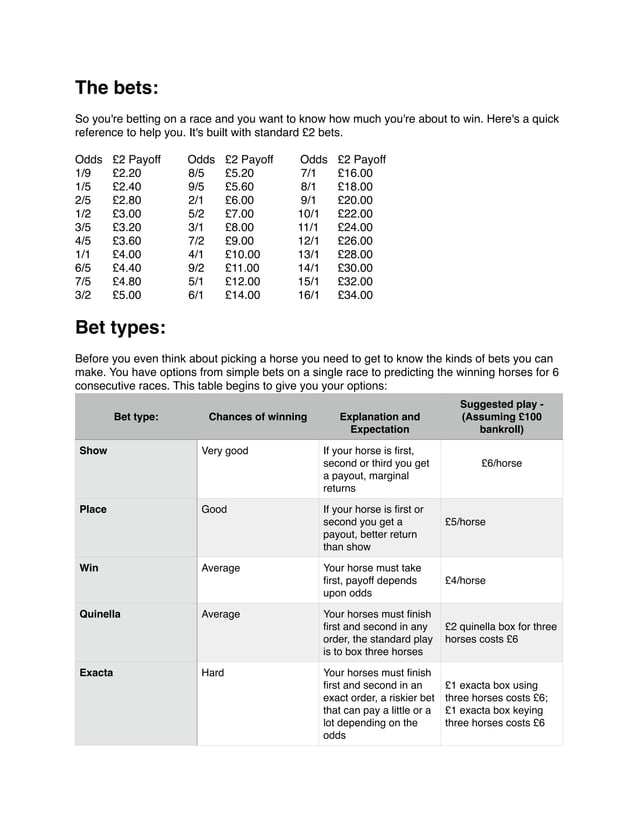
orts betting activities while keeping up with their favorite teams, reducing the emphasis on horse racing as it competes with high-octane sports and the pervasive presence of streaming services.
Conclusion: The Future of Horse Racing Betting
Despite the decline in traditional horse racing betting, it does not spell the end of the sport itself. Instead, it signifies a need for adaptation and innovation. The horse racing industry could explore integrating modern technology, mobile betting apps, and marketing strategies to revitalize interest in races. By catering to the evolving preferences of bettors and embracing emerging trends, horse racing can redefine its place within the betting sphere.
In conclusion, while horse racing betting is experiencing a downturn, the overall betting landscape is also evolving. Bettors now have a myriad of options, and sports entities must adapt to stay relevant in a quickly changing industry. The future will likely hold new and exciting opportunities for horse racing, but it will require flexibility, innovation, and a willingness to embrace the changes that have come with the digital age.