
Archiv des Autors: admin

Understanding EU Sanctions Delisting Process, Implications, and Key Considerations

Understanding EU Sanctions Delisting

In an era of heightened global tensions and increasing economic sanctions, the European Union (EU) has implemented strict measures against individuals and entities deemed to pose a threat to international peace and security. However, the evolving political landscape and the need for fairness necessitate a thorough understanding of the process of EU Sanctions Delisting. This article aims to demystify the complexities surrounding sanctions delisting, outlining key processes, implications, and considerations for those affected by such decisions.

What Are EU Sanctions?

EU sanctions are restrictive measures imposed by the European Union against countries, individuals, or entities that violate international law or threaten EU foreign policy interests. These sanctions can take various forms, including asset freezes, travel bans, and economic restrictions. The goal of these sanctions is to exert pressure on the targeted parties to change their behavior in line with international norms.

The Delisting Process

The delisting process is crucial for individuals and organizations seeking to have their names removed from the EU sanctions list. The process typically involves several key steps:

1. Initiating the Request

The first step towards delisting begins with the individual or entity submitting a formal request to the relevant authorities. This request must articulate the grounds for delisting, often focusing on changes in circumstances, such as legal rulings, political changes, or new evidence that could support the case.

2. Review by EU Institutions

Once a delisting request is received, EU institutions, particularly the Council of the European Union, will conduct a thorough review. This process may involve consultations with member states and other relevant stakeholders to assess the validity of the claims made in the delisting request.

3. Legal Proceedings

If the delisting request is denied, the affected individual or entity has the right to contest the decision in the Court of Justice of the European Union (CJEU). Legal proceedings can be lengthy and complex, often requiring specialized legal expertise to navigate the intricate legal frameworks governing sanctions.

4. Final Decision

The final decision regarding the delisting request rests with the CJEU. If the court rules in favor of the applicant, the individual or entity will be removed from the sanctions list, enabling them to regain their rights and interests within the EU.

Implications of Delisting

Delisting from EU sanctions can have profound implications for individuals and entities. These may include:

1. Restoration of Rights

Delisted individuals and entities can regain access to their assets, participate in the EU market, and carry out international transactions without the constraints imposed by sanctions.

2. Legal and Financial Repercussions

Successful delisting can alleviate legal and financial burdens. Affected parties may pursue damages or compensation for losses incurred during the sanction period.

3. Reputational Recovery

Although delisting can restore formal rights, the stigma associated with having been on a sanctions list can linger. Individuals and entities may need to engage in reputational rehabilitation efforts to regain trust in the international community.

Key Considerations in the Delisting Process

Several key factors should be considered when navigating the delisting process:

1. Legal Expertise

Engaging with legal professionals who specialize in sanctions law is crucial. Their expertise can significantly enhance the likelihood of a successful delisting application through strategic advice and representation during legal proceedings.

2. Evidence Compilation

A robust delisting request must be supported by comprehensive evidence. This may include legal documents, testimonials, and any other relevant materials that substantiate the claims made by the applicant.

3. Awareness of Policy Changes

The political landscape is dynamic, and policy changes can affect the sanctions regime. Staying informed about shifts in EU foreign policy and sanctions regulations is vital for understanding the potential impact on delisting efforts.

Conclusion

The EU sanctions delisting process presents both challenges and opportunities for individuals and entities affected by restrictive measures. Navigating this complex landscape requires a combination of legal knowledge, strategic foresight, and a thorough understanding of the processes at play. While delisting offers hope for restoration and recovery, securing that outcome necessitates careful preparation and professional guidance. As the geopolitical environment continues to evolve, the significance of a comprehensive understanding of EU sanctions delisting will remain paramount for those navigating this intricate legal terrain.

Fastest Citizenship by Investment 2026 A Comprehensive Guide

Fastest Citizenship by Investment Programs for 2026

If you are considering obtaining a second passport or citizenship through investment, you’re not alone. Many individuals and families are seeking the fastest routes to citizenship by investment, especially given the increasing globalization. In 2026, several countries continue to offer expedited citizenship options for investors. This guide will walk you through some of the most effective programs available and what you need to know, including a look at Fastest Citizenship by Investment 2026.

What is Citizenship by Investment?

Citizenship by Investment (CBI) refers to programs that allow individuals to acquire citizenship in a country by investing a certain amount of money in that country. This investment can take various forms, including real estate, business ventures, government bonds, or a direct contribution to a national development fund. The appeal of such programs lies in the speed of processing, the potential for greater global mobility, and the benefits of residing in stable economies.

Benefits of Fast-Track Citizenship

  • Global Mobility: A second passport can offer visa-free or visa-on-arrival access to numerous countries.
  • Tax Benefits: Some countries have favorable tax regimes for foreigners and dual citizens.
  • Investment Opportunities: Investors can often enjoy lower entry barriers to new markets.
  • Family Inclusion: Many programs allow for family members to be included in the application, often at a fraction of the additional cost.

Top Countries for Fast Citizenship by Investment in 2026

1. St. Kitts and Nevis

The St. Kitts and Nevis citizenship program is one of the oldest and most reputable CBI programs globally. For an investment starting at $150,000 in real estate or $100,000 in a government fund, applicants can achieve citizenship within a few months. The country is also renowned for its scenic beauty and strong economy, making it a sought-after destination.

2. Dominica

Dominica offers one of the most affordable CBI programs, with a minimum investment of $100,000 to the Economic Diversification Fund. Processing times are swift, often taking just 3-6 months. The Caribbean island is known for its natural beauty, making it a great option for investors who value lifestyle alongside citizenship.

3. Grenada

The Grenadian CBI program allows investors to acquire citizenship through a real estate investment of at least $220,000 or a contribution of $150,000 to the National Transformation Fund. Grenada’s program stands out for its eligibility for the E-2 Investor Visa to the United States, a unique feature that enhances its appeal.

4. Malta

Malta’s citizenship by investment program is more expensive than many options but provides a European Union passport, which opens many doors in terms of travel and business opportunities. The price starts at around €600,000, and applicants can expect a processing time of about 12-18 months. Nonetheless, Malta is an excellent choice if you’re seeking EU citizenship.

5. Turkey

Turkey’s CBI program allows investors to obtain citizenship by purchasing real estate worth at least $400,000. This investment not only grants citizenship in a strategically located country bridging Europe and Asia but also provides a strong passport that allows visa-free access to numerous countries.

Application Process

Applying for citizenship by investment typically involves the following steps:

  1. Choose a Program: Research different CBI options and select the best fit for your needs.
  2. Prepare Documentation: Gather required documents such as identification, investment proof, and financial statements.
  3. Submit Application: Complete and submit your application along with the required fees.
  4. Due Diligence: Undergo background checks and assessments conducted by the government.
  5. Approval: Await approval, which generally takes a few months, depending on the country.
  6. Complete Investment: Once approved, fulfill your investment requirements to finalize your citizenship.

Conclusion

Citizenship by investment programs are a viable option for those looking to enhance their global mobility and secure a future in a different country. As we move towards 2026, understanding the fastest citizenship options will provide prospects for families and investors. Always ensure to consult with legal professionals and reputable agencies when considering these programs to ensure a smooth application process and avoid potential pitfalls.

Investing in a second passport not only opens up new avenues for travel and business but also provides peace of mind in an increasingly interconnected world. Whether you choose a Caribbean paradise or a European hub, fast-track citizenship can be a life-changing decision.

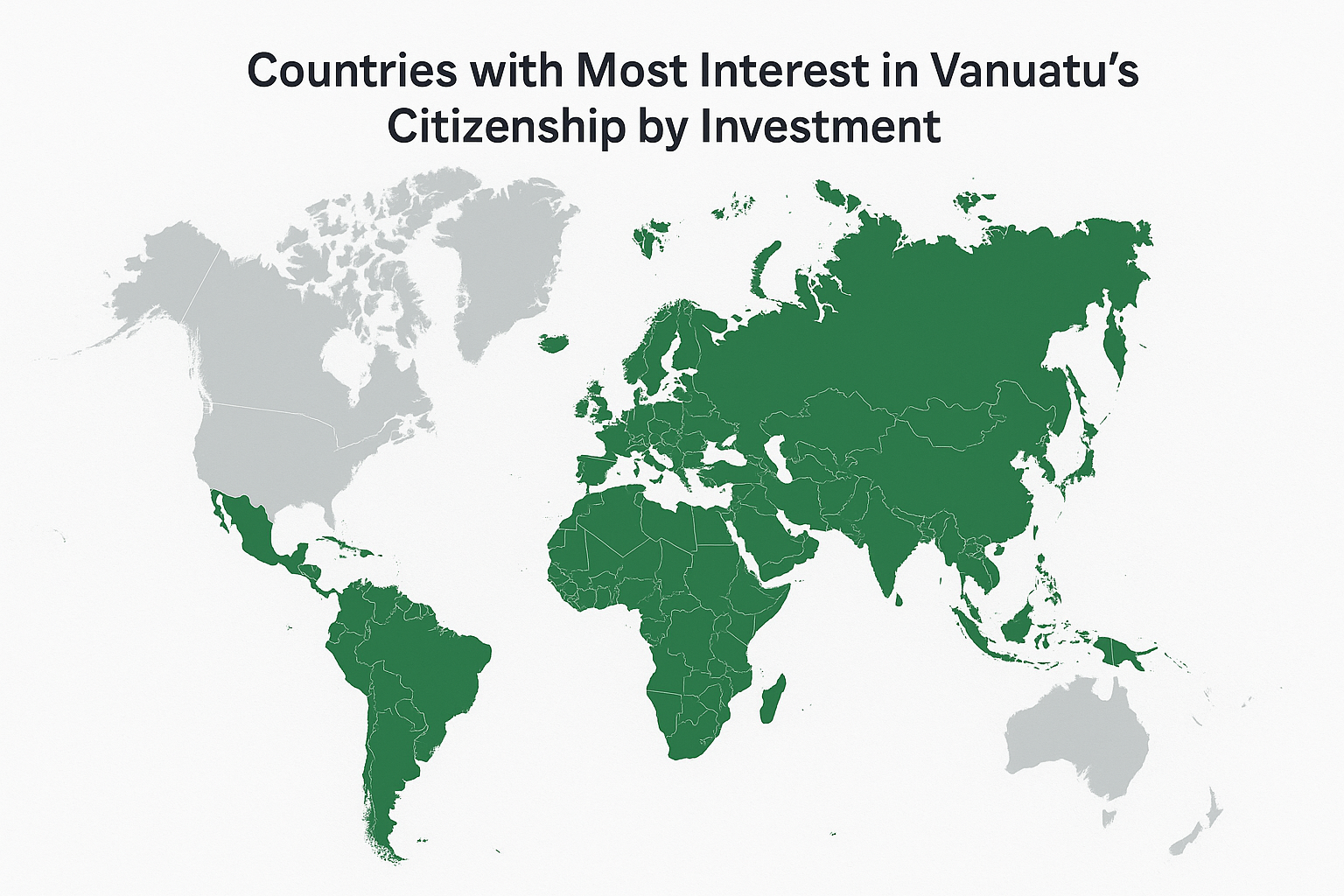
Exploring Vanuatu Citizenship by Investment A Pathway to Paradise

If you’re looking for a new beginning or a chance to invest in a unique and stunning location, Vanuatu citizenship by investment could be the perfect opportunity for you. Vanuatu, a beautiful archipelago in the South Pacific, not only offers stunning landscapes and a relaxed lifestyle but also a citizenship program designed to attract international investors. This article will delve into the details of the program, outlining its advantages, application process, and the impact it can have on your life.

Understanding Vanuatu and Its Citizenship By Investment Program

Vanuatu is a group of 83 islands located in the South Pacific Ocean, known for its idyllic beaches, vibrant culture, and welcoming locals. Its citizenship by investment program has gained popularity over recent years as a viable option for those seeking a second passport, providing numerous benefits ranging from visa-free travel to potential tax advantages. Launched in 2017, the program enables individuals and families to acquire Vanuatu citizenship in exchange for a significant financial contribution to the nation’s development.

Why Choose Vanuatu for Citizenship?

There are several reasons why many individuals choose to pursue Vanuatu citizenship. These include:

  • Visa-Free Travel: Vanuatu citizenship grants you the ability to travel to over 130 countries without the need for a visa, including the Schengen Area, the UK, and many others.
  • Tax Benefits: Vanuatu has no personal income tax, capital gains tax, or inheritance tax, making it an attractive option for wealthy individuals and investors.
  • Quality of Life: With its stunning natural beauty, friendly community, and stable political environment, Vanuatu offers a high quality of life for its citizens.
  • Family Inclusion: The investment can cover your spouse and dependent children, making it a great option for families looking for security and new opportunities.

The Investment Process

The process of acquiring Vanuatu citizenship through investment is straightforward, though it does require careful planning and execution. Here are the main steps involved:

  1. Select a Recognized Agent: The first step is to choose a government-approved agent who will facilitate the application on your behalf. They will guide you through the entire process and help ensure that all documentation is properly submitted.
  2. Choose Your Investment Option: Vanuatu offers several investment options, including a contribution to the Vanuatu Development Support Program (VDSP) or investing in real estate. The minimum contribution for the VDSP is currently set at around $130,000 for a single applicant, with higher amounts required for families.
  3. Prepare Your Documents: You will need to provide comprehensive documentation, including proof of identity, financial statements, and clean criminal records.
  4. Submit Your Application: Once all necessary documents are gathered, your agent will submit your application to the Vanuatu Citizenship Commission.
  5. Approval and Citizenship: Upon approval of your application, you will receive your citizenship certificate, allowing you to enjoy all the rights and privileges of being a Vanuatu citizen.

Investment Options

There are different investment options available within the Vanuatu Citizenship by Investment program:

1. Vanuatu Development Support Program (VDSP)

This program requires a one-time non-refundable contribution to the government’s development fund. The contribution levels vary based on the number of applicants:

  • Single applicant: Approximately $130,000
  • Applicant and spouse: Approximately $150,000
  • Family of four: Approximately $165,000
  • Additional dependents: Approximately $15,000 each

2. Real Estate Investment

Alternatively, applicants can invest in real estate within Vanuatu. The minimum investment required for real estate is about $200,000 in a government-approved project. This option not only secures citizenship but also provides the potential for returns on your investment.

Legal and Financial Considerations

While the benefits of Vanuatu citizenship by investment are attractive, it’s essential to approach the process with caution and awareness of the legal and financial implications. Always consult with a legal and financial advisor experienced in citizenship by investment programs before proceeding. Ensure your chosen investment is legitimate and complies with local laws.

Conclusion: Is Vanuatu Citizenship Right for You?

For individuals seeking a second passport that offers numerous benefits, Vanuatu’s Citizenship by Investment program is worth considering. With a straightforward application process, various investment options, and the allure of a beautiful tropical lifestyle, it provides an appealing opportunity for investors and their families. Whether you’re motivated by the desire for freedom of travel, tax advantages, or a new lifestyle, Vanuatu may just be the paradise you’ve been searching for. If you’re ready to take the plunge into a new adventure, don’t hesitate to explore the possibilities that Vanuatu’s Citizenship by Investment program has to offer.

Nauru Citizenship by Investment A Pathway to Global Mobility

Nauru Citizenship by Investment: Unlocking Opportunities

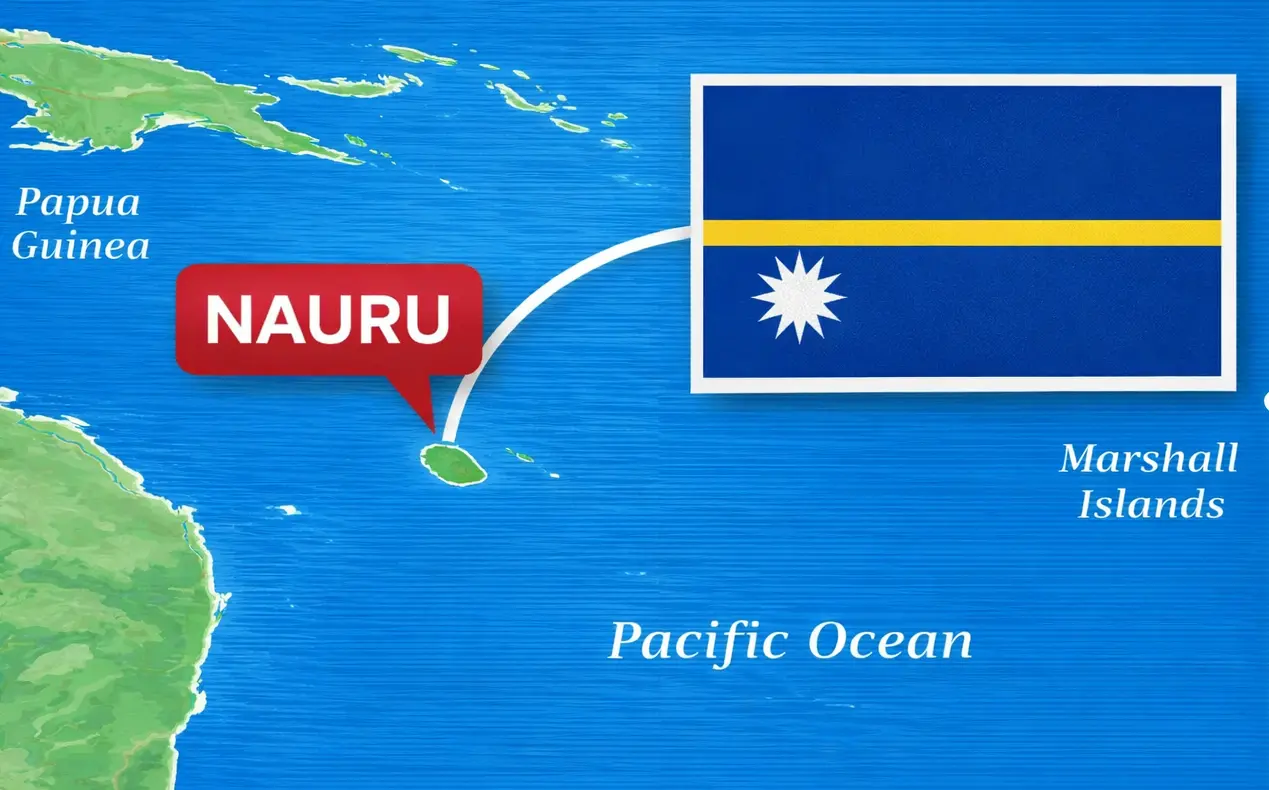
Nauru, a small island nation in the Pacific Ocean, offers a unique and appealing pathway for individuals seeking global mobility through Nauru citizenship by investment Nauru CBI. With its strategic location and favorable investment policies, Nauru provides an opportunity for investors and their families to obtain citizenship, thereby enhancing their freedom to travel and establish a business presence. This article explores the details of the Nauru citizenship by investment program, its benefits, requirements, and the overall process required to attain citizenship.

Understanding Nauru

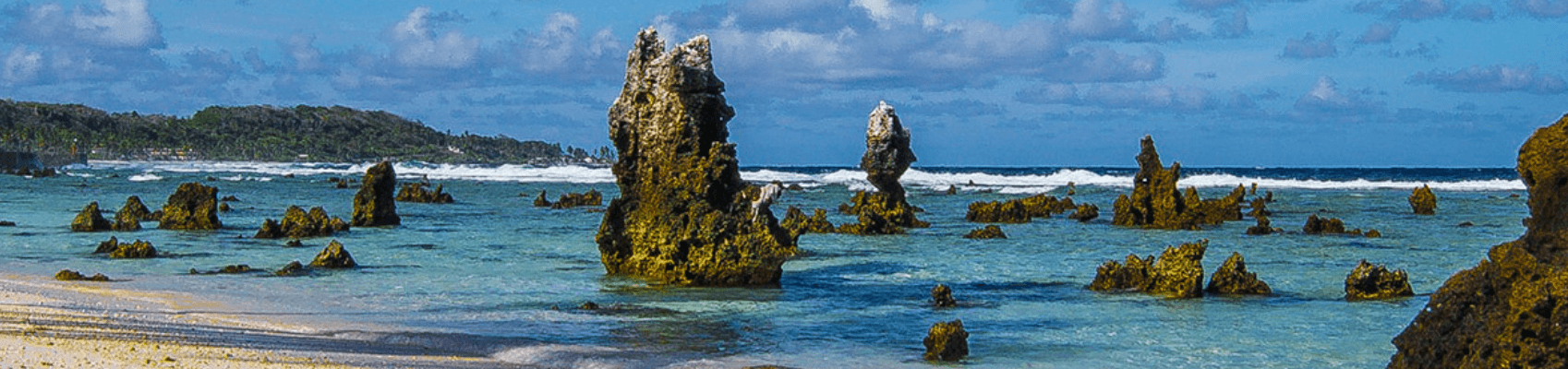
Nauru is the third smallest country in the world, both in terms of area and population. Despite its size, it boasts a rich cultural heritage and stunning natural beauty, making it an attractive destination for tourists and investors alike. The nation is committed to enhancing its economy by encouraging foreign investment, particularly through its citizenship by investment program. This initiative not only bolsters the country’s economic landscape but also provides investors with numerous benefits.

Benefits of Nauru Citizenship by Investment

Obtaining Nauru citizenship through investment comes with various benefits that can significantly improve the investor’s quality of life and business prospects. Here are some of the key advantages:

  • Visa-Free Travel: Nauru citizens enjoy visa-free or visa-on-arrival access to numerous countries, enhancing global mobility.
  • Economic Opportunities: Investors can leverage their citizenship to establish businesses in Nauru, tapping into new markets.
  • Tax Benefits: Nauru has a low tax regime, with no income tax for residents, making it an attractive option for wealth management.
  • Family Inclusion: The citizenship application allows investors to include their immediate family members, ensuring security for loved ones.
  • Safe and Peaceful Environment: Nauru is known for its low crime rates and political stability, providing a safe haven for families and businesses.

Eligibility Criteria for Nauru Citizenship by Investment

While the Nauru citizenship by investment program is highly appealing, it has specific eligibility criteria that applicants must meet:

  1. Minimum Investment: Applicants must make a substantial financial investment in Nauru, typically in real estate or government-approved projects.
  2. Good Character: Investors must provide a clean criminal record and demonstrate good character as part of the application process.
  3. Financial Stability: Proof of financial stability and the source of investment funds is essential to ensure applicants can sustain themselves and their dependents.
  4. Health Requirements: Applicants may be required to undergo a medical examination to confirm that they do not pose a health risk to the Nauruan population.

The Application Process

The journey to obtaining Nauru citizenship by investment involves several steps, which must be meticulously followed:

Step 1: Initial Consultation

Potential applicants should begin by consulting with a qualified immigration advisor or legal expert familiar with the Nauru citizenship by investment program. This step helps assess eligibility and understand the process in depth.

Step 2: Choose Investment Option

Applicants will need to choose an investment option, which can include real estate development, government bonds, or contributions to a national development fund. The selected option must align with the minimum investment requirements set by the government.

Step 3: Prepare Documentation

A comprehensive set of documents needs to be prepared, including proof of investment, identity verification, health records, and character references. Ensuring accuracy and completeness is crucial at this stage to avoid delays in processing.

Step 4: Submit Application

Once all documentation is ready, applicants can submit their application through the appropriate channels. This typically involves payment of application fees and any investment contributions required.

Step 5: Wait for Approval

The review process can take several months, during which the authorities will thoroughly assess the application. It is essential to remain patient and responsive to any requests for additional information.

Step 6: Oath of Allegi

ance

Upon approval, applicants are required to take an oath of allegiance, officially becoming citizens of Nauru. This marks the final step in the citizenship process.

Conclusion

Nauru’s citizenship by investment program is a promising opportunity for investors seeking to enhance their global mobility and economic prospects. With its range of benefits, including visa-free travel, economic opportunities, and a peaceful living environment, obtaining Nauruan citizenship can be a strategic move for individuals and families alike. By following the outlined steps and fulfilling the eligibility criteria, prospective investors can navigate the application process smoothly and successfully become citizens of this unique island nation.

In conclusion, as global mobility becomes increasingly valuable in today’s interconnected world, programs like Nauru’s citizenship by investment offer viable solutions for those looking to expand their horizons. With the right planning and commitment, the path to Nauru citizenship is not only attainable but can also lead to a wealth of opportunities.

Sao Tome Citizenship for Families A Comprehensive Guide

Sao Tome Citizenship for Families: A Comprehensive Guide

Obtaining citizenship in a foreign country can often seem like a daunting task, especially for families seeking to relocate. If you’re considering the possibilities surrounding Sao Tome Citizenship for Families, it’s essential to understand the process, the benefits, as well as the requirements for a successful application. This guide aims to break down everything you need to know about acquiring citizenship in Sao Tome and Principe for your family.

Why Choose Sao Tome and Principe?

Sao Tome and Principe, a lush archipelago situated off the west coast of Central Africa, is known for its stunning landscapes, rich culture, and welcoming people. The country boasts pristine beaches, vibrant rainforests, and an increasingly stable political environment, making it an attractive destination for families. Here are a few compelling reasons to consider this paradise for your family’s new home:

  • Breathtaking Natural Beauty: With its diverse ecosystems and tranquil beaches, Sao Tome and Principe offers an unparalleled natural environment.
  • Welcoming Community: The local population is known for their hospitality, creating a friendly atmosphere for newcomers.
  • Educational Opportunities: The government places a strong emphasis on education, and there are various international schools available for expatriate families.
  • Tax Incentives: The country offers attractive tax policies for both citizens and residents.

Eligibility Requirements for Family Citizenship

Now that you understand the appeal of Sao Tome and Principe, let’s delve into the specific requirements for families wishing to obtain citizenship. Generally, the requirements include:

  • Residency: Applicants must typically reside in the country for a specified number of years.
  • Financial Stability: Evidence of sufficient means to support the family may be required.
  • Good Character: This includes background checks to ensure a clean criminal record.
  • Language Proficiency: Basic knowledge of Portuguese, the official language, might be assessed.

Specific details can vary depending on the unique circumstances of each family and the current immigration policies in place.

Benefits of Citizenship for Families

Acquiring citizenship in Sao Tome and Principe presents numerous advantages for families. Here are some of the significant benefits:

  • Right to Live and Work: Full citizenship allows your family to live, work, and study without restrictions.
  • Access to Healthcare: Citizens can access high-quality healthcare services within the country.
  • Multigenerational Opportunities: Citizenship allows for better inheritance and property rights for future generations.
  • Cultural Integration: Becoming a citizen aids in deeper cultural assimilation and connection to the community.

The Application Process

The application process for citizenship can be comprehensive but is manageable with the right preparation. Here are the key steps involved:

  1. Research: Begin by conducting thorough research about the specific citizenship laws and updates.
  2. Gather Documentation: Prepare necessary documents such as passports, proof of residence, financial statements, and health records.
  3. Application Submission: Submit the formal application to the relevant governmental authority.
  4. Interview: Some applicants may be required to attend an interview as part of the evaluation process.
  5. Await Decision: After submission, there might be a waiting period for your application to be processed.
  6. Receive Citizenship: If approved, you will receive your citizenship papers and official documentation.

Common Challenges and Considerations

While the benefits of obtaining citizenship in Sao Tome and Principe are substantial, there can be challenges along the way. It’s important to approach this journey with a clear understanding of potential hurdles:

  • Language Barrier: Fluency in Portuguese may be a significant obstacle for non-speakers.
  • Financial Costs: There may be associated costs such as legal fees and other administrative expenses.
  • Changing Regulations: Immigration policies can change, so staying updated on laws and requirements is essential.

Conclusion

Obtaining citizenship in Sao Tome and Principe presents a unique opportunity for families looking for a fresh start in a beautiful location. With its welcoming culture, impressive benefits, and breathtaking scenery, Sao Tome is a great choice. By understanding the requirements, benefits, and the application process, you and your family can approach your new journey with confidence. Embrace the adventure of citizenship and discover the possibilities that await in this enchanting island nation!

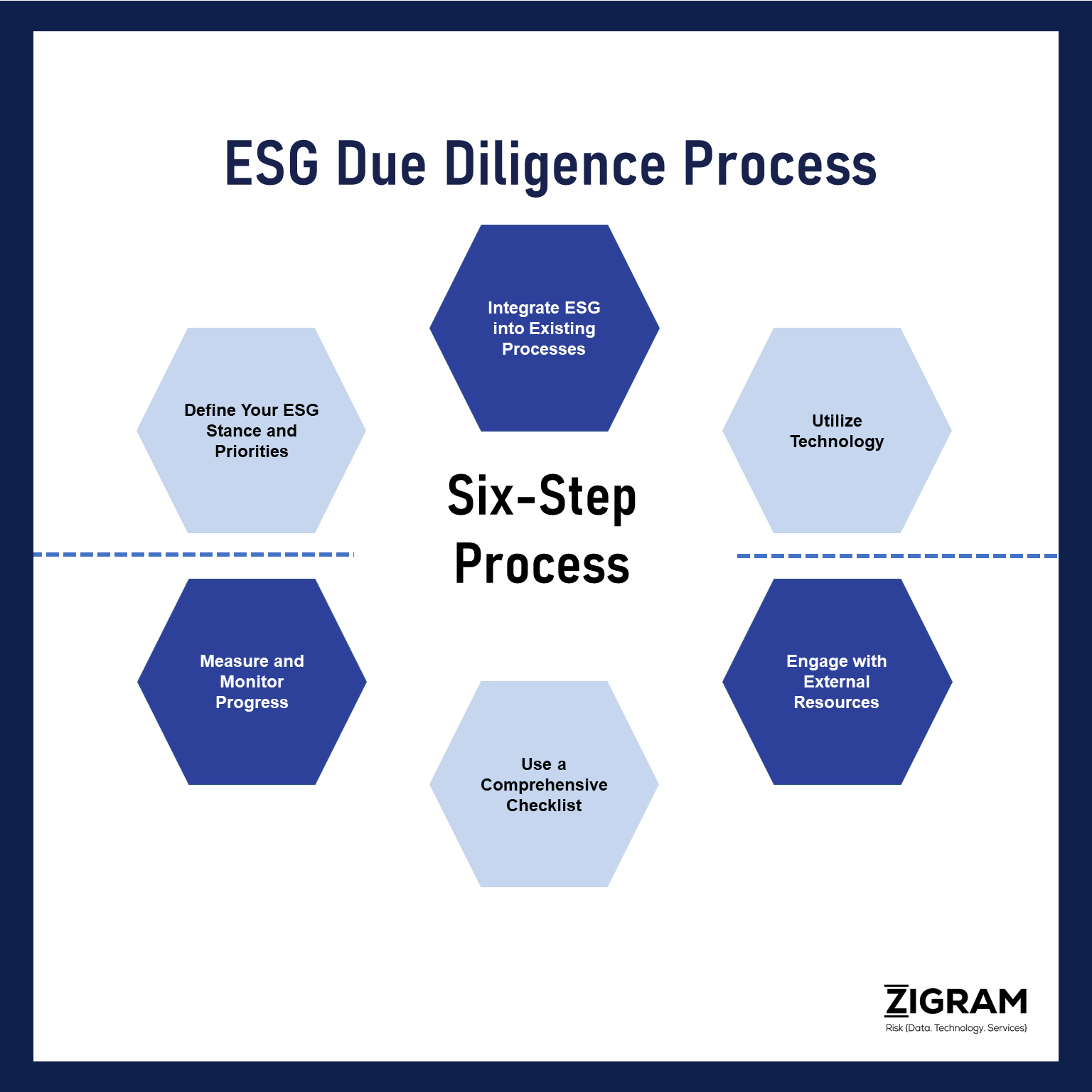
Nauru Citizenship Due Diligence Process A Comprehensive Overview

Nauru Citizenship Due Diligence Process

The Nauru Citizenship Due Diligence Process is a critical framework aimed at maintaining the integrity and security of the nation as it opens its doors to individuals seeking citizenship. This article explores the steps involved in this thorough and essential vetting process, ensuring that potential citizens meet the standards set by the Nauruan government.

Understanding Nauru’s Citizenship Framework

Nauru, a small island nation in the Pacific Ocean, has a unique citizenship framework that requires thorough examination of applicants. This process is designed to safeguard the nation from potential risks associated with granting citizenship to individuals who might not align with its legal and moral standards. By implementing a stringent due diligence process, Nauru aims to create a safe and secure environment for its citizens.

The Importance of Due Diligence

Due diligence serves as a critical component in evaluating the background and character of those who apply for citizenship. This series of checks ensures that the government can mitigate the risks associated with citizenship, including crime, terrorism, and other concerns that could threaten national security. By conducting thorough assessments, Nauru can confidently extend citizenship to deserving candidates.

Step-by-Step Breakdown of the Due Diligence Process

1. Initial Application Submission

The process begins when an individual submits their application for Nauru citizenship. This application requires detailed personal information, including biographical data, reasons for seeking citizenship, and supporting documents. Applicants are often required to provide proof of employment, residency, and any other pertinent information that supports their request.

2. Preliminary Background Check

Once the application is submitted, the next step involves preliminary background checks conducted by the Nauruan authorities. This may include checking the applicant’s criminal history, financial status, and any record of controversies or legal issues. This stage is crucial as it helps filter out candidates who may pose a risk to the nation.

3. Detailed Investigations

If a candidate passes the preliminary checks, a more detailed investigation is conducted. This involves a comprehensive review of the applicant’s history, including interviews with previous employers, acquaintances, and family members, as well as gathering information from various global databases. The objective is to gain a holistic view of the applicant’s character and lifestyle.

4. Assessment of National Security Risks

During this phase, the authorities assess any potential national security risks posed by the applicant. This includes looking into connections with dubious organizations or individuals, involvement in financial crimes, or any affiliations that may threaten the well-being of Nauru and its citizens. Security agencies play a vital role in this assessment to ensure a thorough evaluation.

5. Final Review and Decision Making

After completing all investigations, the citizenship application moves to the final review stage. A panel of authorities examines all findings and makes a decision on the application. Candidates may be required to attend an interview before the decision is made. The final decision is communicated to the applicant.

Challenges in the Due Diligence Process

While the Nauru Citizenship Due Diligence process is designed to be thorough and effective, it is not without its challenges. Some of these challenges include:

  • Access to Information: In some cases, obtaining valid and accurate information from other countries can be difficult. International cooperation is essential, but it is not always guaranteed.
  • Privacy Concerns: Striking a balance between national security and individual privacy rights is crucial. Applicants may feel uneasy about the depth of the scrutiny they face.
  • Resource Limitations: Nauru, being a small nation, may face limitations in terms of resources and personnel dedicated to the vetting process, which could inadvertently affect the thoroughness of investigations.

Conclusion

The Nauru Citizenship Due Diligence Process is a vital measure that ensures only deserving individuals are granted citizenship while protecting the nation’s security and integrity. Through its various stages, this rigorous vetting procedure reflects Nauru’s commitment to maintaining a safe and welcoming environment for its citizens. As globalization continues to influence migration trends, the importance of such due diligence processes will only grow, ensuring states like Nauru can manage their citizenship frameworks effectively.

The Comprehensive Guide to Vanuatu Citizenship Family Cost

Understanding the Costs of Vanuatu Citizenship for Families

If you are considering becoming a citizen of Vanuatu as a family, it’s essential to understand the costs involved in the process. The Vanuatu Citizenship Family Cost encompasses various fees, investments, and additional expenses that families should anticipate. This article provides a comprehensive overview of these costs, helping families make informed decisions regarding their investment in Vanuatu citizenship.

Why Choose Vanuatu Citizenship?

Vanuatu offers an attractive option for families looking to gain citizenship in a peaceful, beautiful tropical setting. The nation has a relatively straightforward process for obtaining citizenship through its program, which is designed for families seeking enhanced global mobility, tax advantages, and a high quality of life.

Investment Requirements

The primary cost associated with Vanuatu citizenship is the investment requirement. Families must contribute to the Development Support Program (DSP) in order to qualify for citizenship. The minimum investment amount is typically set at USD 130,000 for the main applicant. This amount increases with each additional family member included in the application. It’s vital to verify the current investment amounts as they may change.

Breakdown of Investment Costs

  • Main applicant: USD 130,000
  • Spouse: USD 50,000
  • Child under 18 years: USD 25,000 each
  • Dependent adult: USD 50,000 each

For example, a family of four, consisting of two parents and two children under 18, would need to invest a total of USD 200,000 (USD 130,000 + USD 50,000 + USD 25,000 + USD 25,000).

Processing Fees

In addition to the investment amounts, there are also processing fees that need to be factored into the overall cost. The processing fees cover the costs associated with the application, including background checks and administrative expenses.

  • Government processing fees: Approximately USD 5,000
  • Due diligence fees: Around USD 1,500 per applicant

For our previous example of a family of four, the total processing fees would amount to around USD 13,000 (USD 5,000 + USD 6,000 for due diligence for each parent + USD 2,500 for two children).

Legal and Consultancy Fees

It is highly recommended to work with a registered agent or legal advisor who specializes in Vanuatu citizenship applications. These professionals can guide families through the intricate process and help ensure that applications are completed correctly and efficiently. The fees for leg

al and consultancy services can vary widely depending on the firm and the complexity of the application.

On average, families should expect to pay between USD 5,000 and USD 10,000 for professional services.

Additional Costs to Consider

Aside from the primary investment and processing fees, several other costs should be considered when budgeting for Vanuatu citizenship:

  • Travel expenses: Families may need to travel to Vanuatu to submit their applications or attend interviews, which can incur flight and accommodation costs.
  • Document preparation and notarization: This can add another few hundred dollars to the overall cost, depending on the number of documents needed.
  • Health insurance: While not mandatory for all applicants, having health insurance coverage for overseas stays can be an important consideration, particularly for families.

Families should budget at least an additional USD 2,000 to USD 5,000 for these miscellaneous expenses.

Total Cost Summary

Considering all the above factors, let’s summarize the estimated costs for a family of four seeking Vanuatu citizenship:

  • Investment amount: USD 200,000
  • Processing fees: USD 13,000
  • Legal and consultancy fees: USD 7,500 (average)
  • Additional costs: USD 3,000 (average)

This brings the total estimated cost for the entire process to approximately USD 223,500. Families should keep in mind that these are estimates and the final amount may vary based on individual circumstances and prevailing rates.

Benefits of Vanuatu Citizenship

Despite the costs, many families find that Vanuatu citizenship offers significant advantages, including:

  • Visa-free travel to numerous countries, including the European Union and the United Kingdom.
  • No personal income tax, capital gains tax, or inheritance tax, making it financially appealing for many families.
  • The ability to live in a beautiful tropical paradise with a stable and friendly local population.
  • Opportunities for business and investment in a growing economy.

Final Thoughts

Obtaining Vanuatu citizenship as a family can be a worthwhile investment, offering not only a second passport but also a new lifestyle in a stunning location. However, it’s essential to be fully aware of the costs involved, which include both the mandatory investments and additional fees. Families should ensure they are well-prepared and informed before embarking on this journey, enabling them to make the most of the benefits that Vanuatu citizenship has to offer.

Exploring the Sao Tome Citizenship Requirements Your Pathway to a New Identity

Sao Tome Citizenship Requirements

For those looking to explore new horizons, the Sao Tome Citizenship Requirements provide a gateway to one of the most exquisite and lesser-known countries in the world. Nestled off the western coast of Africa in the Gulf of Guinea, São Tomé and Príncipe is a twin-island nation celebrated for its lush landscapes, rich biodiversity, and vibrant culture. Obtaining citizenship in this paradise may represent a thrilling opportunity for expatriates, investors, and global citizens alike.

Understanding Sao Tome and Príncipe

Before delving into the specifics of citizenship requirements, it’s essential to understand the country itself. São Tomé and Príncipe is known for its stunning beaches, volcanic landscapes, and diverse wildlife. The islands provide a peaceful and welcoming environment ideal for those seeking a change of scenery or lifestyle. As a former Portuguese colony, the cultural influences are profound, evident in the local language, cuisine, and traditions.

Types of Citizenship

There are primarily two pathways to citizenship in São Tomé and Príncipe: by descent and by naturalization. Each pathway has its specific requirements and procedures that applicants must follow.

Citizenship by Descent

Citizenship by descent is available to individuals with parents or grandparents who are São Toméan nationals. This can extend to individuals of São Toméan descent who were born outside the country. Applicants must provide documentation proving their lineage, such as birth certificates, marriage certificates, and legal identification of their São Toméan family members.

Citizenship by Naturalization

For those who do not have São Toméan ancestry, citizenship by naturalization is the primary option. This route typically requires applicants to meet specific conditions, which include:

  • Residing in São Tomé and Príncipe for a minimum period (usually five years).
  • Proving knowledge of Portuguese, the official language.
  • Demonstrating financial stability and the ability to support oneself.
  • Having no serious criminal convictions.
  • Adhering to the country’s laws and respect for its values.

The Naturalization Process

The naturalization process can be complex, but understanding the steps involved can significantly ease the journey. Here’s a breakdown of the typical process:

1. Gather Documentation

Before applying, individuals should ensure that they have all necessary documentation prepared. This includes valid identification, proof of residency, language proficiency certificates, and any documents that demonstrate financial stability.

2. Submit an Application

Once documentation is complete, prospective citizens must submit their application to the appropriate governmental body, usually the Ministry of Justice or a similar entity.

3. Wait for Processing

After submission, there can be a waiting period as government officials review applications. This process may involve background checks and interviews to assess the candidate’s eligibility.

4. Approval and Naturalization Ceremony

If the application is approved, the final step often involves a naturalization ceremony, during which individuals take an oath of allegiance to São Tomé and Príncipe, solidifying their status as citizens.

Investing in Citizenship

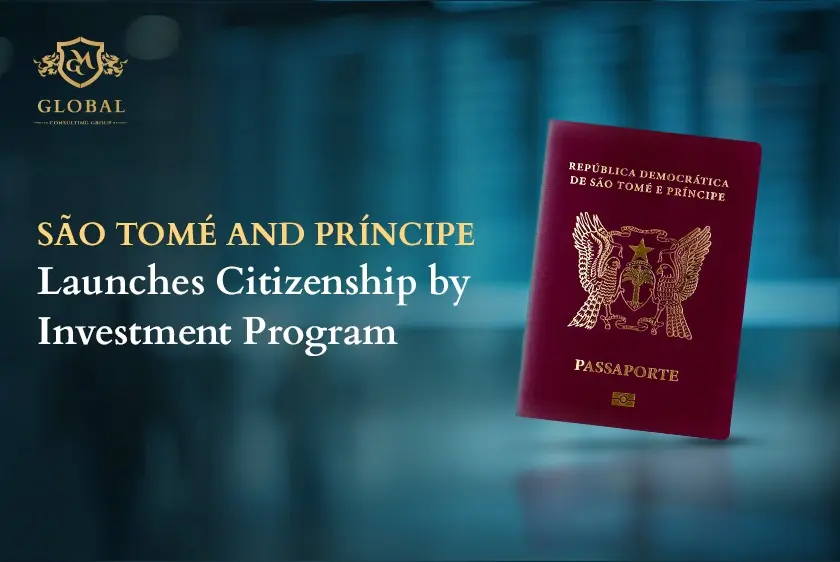
Recently, São Tomé and Príncipe’s government has introduced a citizenship by investment program that allows individuals to acquire citizenship through financial contributions to the nation’s development. This path often involves investing in real estate, national development projects, or contributing to the government fund.

Prospective investors should conduct thorough research and seek legal advice to understand the terms, expected investment amounts, and potential returns on investment.

Benefits of Sao Tome Citizenship

Securing citizenship in São Tomé and Príncipe comes with several significant benefits, including:

  • The right to live and work in São Tomé and Príncipe without restrictions.
  • Access to the country’s resources and benefits, including health care and education.
  • Opportunities to participate in business ventures and investments within a growing economy.
  • Possibility of visa-free travel to various countries, enhancing global mobility.

Challenges and Considerations

While the path to citizenship offers exciting prospects, several challenges should be acknowledged. Language barriers, cultural adjustments, and navigating bureaucratic processes can pose hurdles for new citizens. Understanding the local customs and law is crucial for a smooth transition.

Conclusion

Obtaining citizenship in São Tomé and Príncipe is a unique opportunity for those seeking a new life surrounded by natural beauty. Whether through descent or naturalization, the process requires careful planning, a clear understanding of requirements, and patience. With the potential for investment and a welcoming community, São Tomé and Príncipe beckons a diverse range of individuals eager to embrace its opportunities and lifestyle. By staying informed and prepared, your journey toward citizenship can be as fulfilling as life on the islands themselves.

Exploring Vanuatu Passport Visa-Free Countries 948700671

Exploring Vanuatu Passport Visa-Free Countries

The Vanuatu passport offers its holders the privilege of traveling to numerous countries without the need for a visa. With its strong global presence, the Vanuatu passport is highly regarded among travelers. In this article, we will discuss the countries that allow visa-free entry to Vanuatu passport holders and the benefits of having this particular citizenship. For an in-depth guide, check out Vanuatu passport visa-free countries.

Overview of Vanuatu

Vanuatu is a South Pacific nation located approximately 1,750 kilometers east of Australia. Comprising around 80 islands, it has a rich cultural heritage, boasting over 100 different languages and unique traditions. Known for its stunning landscapes, vibrant marine life, and friendly locals, Vanuatu is an attractive destination for tourists. In addition to its beauty, Vanuatu has become increasingly popular for individuals seeking second citizenship, particularly due to its citizenship-by-investment program.

The Benefits of a Vanuatu Passport

Owning a Vanuatu passport comes with numerous advantages. Firstly, it allows visa-free travel to more than 130 countries, including popular destinations in Europe, Asia, and the Americas. This access opens up a world of opportunities for both leisure and business travelers.

Secondly, Vanuatu does not impose taxes on worldwide income, making it an appealing option for those looking to optimize their tax obligations. The country has a stable economy and a favorable business environment, which can be beneficial for entrepreneurs and investors.

Furthermore, the process of obtaining a Vanuatu passport is relatively straightforward, with residency not being a requirement. Instead, applicants can acquire citizenship through investment in the country, such as real estate or a government donation.

Countries Offering Visa-Free Access to Vanuatu Passport Holders

Below, we detail some of the prominent regions where Vanuatu passport holders can travel without requiring a visa:

Asia

In Asia, several countries extend visa-free access to Vanuatu passport holders. These include:

  • Indonesia
  • Malaysia
  • Singapore
  • Hong Kong
  • Philippines

Europe

Europe is a significant destination for travelers, and the Vanuatu passport allows entry to numerous countries, including:

  • Albania
  • Serbia
  • Kosovo
  • Georgia
  • Turkey

Oceania

Travel within the Pacific region is also conveniently accessible for Vanuatu passport holders. Visa-free countries in Oceania include:

  • Fiji
  • Tonga
  • Solomon Islands
  • Samoa
  • Micronesia

The Americas

Visa-free travel extends to several countries in the Americas as well. Vanuatu passport holders can visit:

  • Saint Vincent and the Grenadines
  • Dominica
  • Haiti
  • Suriname

Travel Tips for Vanuatu Passport Holders

While the Vanuatu passport offers extensive visa-free travel, it’s essential for travelers to stay informed about the specific entry requirements for each destination. Here are some practical travel tips:

  • Check Entry Requirements: Always verify the latest entry requirements and any associated fees, as these can change frequently.
  • Health Insurance: Ensure you have adequate travel health insurance to cover any unexpected medical expenses abroad.
  • Documentation: Carry relevant documentation, including your passport, travel itinerary, and proof of accommodation, which may be requested upon arrival.
  • Cultural Sensitivity: Educate yourself about the local customs and etiquette of the countries you are visiting to make a positive impression.

Conclusion

The Vanuatu passport serves as a valuable asset for global travelers, facilitating entry to a wide range of countries without the hassle of obtaining a visa. Whether you plan to explore the beautiful landscapes of the Pacific, conduct business in Asia, or enjoy the cultural richness of Europe, having a Vanuatu passport opens up a world of possibilities. With its favorable investment opportunities, tax benefits, and relatively simple application process, obtaining Vanuatu citizenship can be a life-changing decision that enhances your mobility and global presence.

For m

ore information on Vanuatu passport visa-free countries and the advantages of Vanuatu citizenship, consider checking reliable resources or consulting with experts in immigration and investment.

Sao Tome Citizenship Total Fees A Complete Guide

Sao Tome Citizenship Total Fees: A Detailed Overview

If you’re considering obtaining Sao Tome Citizenship Total Fees, it’s essential to understand the various costs associated with the process. Sao Tome and Principe, an island nation situated in the Gulf of Guinea, offers an attractive citizenship by investment program. This program allows individuals to obtain citizenship through financial contributions to the country’s development. In this article, we provide a comprehensive breakdown of the fees involved in obtaining citizenship in Sao Tome.

Understanding the Citizenship by Investment Program

The citizenship by investment program of Sao Tome is designed to attract foreign investors who can contribute to the economic development of the islands. This program has gained popularity due to its relatively straightforward process and the appeal of holding a passport from a nation that offers visa-free travel to numerous countries. The program is open to individuals and their families, allowing for applications that can include spouses and dependent children.

Total Costs Involved

The total costs involved in obtaining Sao Tome citizenship predominantly consist of the investment amount, government processing fees, due diligence fees, and other miscellaneous expenses. Below is a detailed breakdown:

1. Investment Amount

The primary cost is the investment itself, which typically ranges from $100,000 to $150,000 depending on the chosen investment option. The government allows investments in real estate, contributions to government development funds, or setting up a business.

2. Government Processing Fees

Along with the investment, applicants must pay government processing fees. These fees are generally around $10,000 per applicant. For families, there may be additional fees for each dependent, typically ranging from $5,000 to $7,500.

3. Due Diligence Fees

Due diligence is a crucial part of the application process, ensuring that all applicants undergo thorough background checks. The due diligence fees can vary but usually amount to around $5,000. This fee is mandatory and is charged for each applicant, including dependents.

4. Legal Fees

It’s advisable to work with a local lawyer or advisor to navigate the complexities of the application process. Legal fees can vary widely based on the services provided but typically range from $5,000 to $15,000.

5. Additional Costs

Additional costs may include translation services, notarization, and other administrative expenses. It’s essential to factor these costs into your overall budget. Depending on your situation, these costs could add an additional few thousand dollars.

Summary of Expected Costs

Investment Amount: $100,000 – $150,000
Government Processing Fees: $10,000
Due Diligence Fees: $5,000 (per applicant)
Legal Fees: $5,000 – $15,000
Additional Costs: Variable

In total, applicants should expect to spend approximately $120,000 to $200,000 for individual citizenship, and more for family applications depending on the number of dependents included.

Benefits of Sao Tome Citizenship

>

While the initial investment and associated fees may seem daunting, the benefits of acquiring citizenship in Sao Tome are significant. The advantages include:

  • Visa-free travel to over 100 countries, including the Schengen Area and several others.
  • Access to a stable political environment and growing economy.
  • Possibility of enjoying the country’s beautiful landscapes and rich culture.
  • Tax incentives for foreign investors and businesses.
  • Opportunities for family members to gain citizenship through the primary applicant.

Common Questions

To help you better understand and navigate the citizenship process, we’ve compiled a list of common questions asked by potential applicants:

1. How long does the application process take?

The citizenship application process typically takes around 4 to 6 months, provided all documentation is in order and the due diligence checks are completed promptly.

2. Can I include my family members in the application?

Yes, you can include your spouse and dependent children in your application. Additional fees will apply for each family member.

3. Is it possible to obtain dual citizenship?

Yes, Sao Tome and Principe allow dual citizenship. Therefore, applicants can retain their original citizenship while enjoying the benefits of being a Sao Tome citizen.

Conclusion

Obtaining citizenship in Sao Tome and Principe through the citizenship by investment program is a valuable opportunity for individuals looking to expand their global mobility and investment options. The total fees associated with the process may appear substantial, but the long-term benefits often outweigh the initial costs. Make sure to conduct thorough research and consider consulting with a professional to help guide you through this exciting opportunity.